
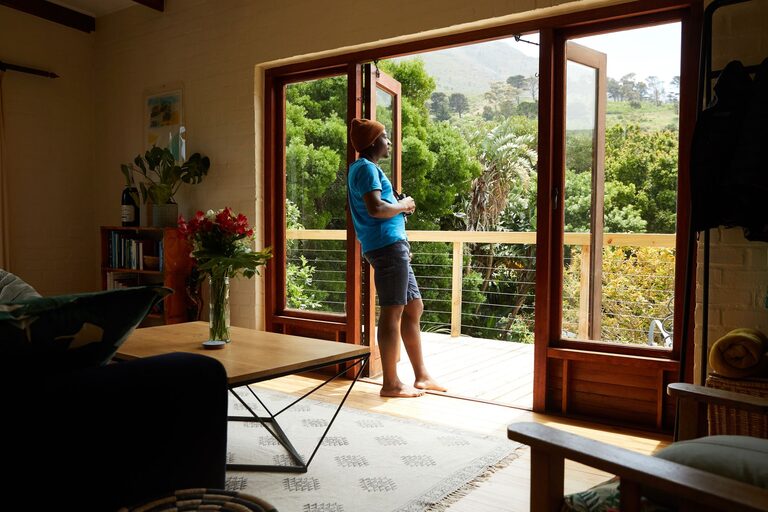
Taking a day off to rest and recharge is essential for maintaining balance in our busy lives. While traveling or going out can be enjoyable, sometimes the best way to unwind is by spending a peaceful day at home. Planning a restful day off at home involves more than just not working—it’s about intentionally creating an environment and schedule that promotes relaxation, rejuvenation, and mental clarity. In this guide, you’ll find practical steps, tips, and ideas to help you plan the perfect restful day at home.
Why Plan a Restful Day Off?
A restful day off is not just a break from work; it’s a chance to reset your mind and body. Stress, anxiety, and fatigue accumulate over time, and without proper rest, they can negatively impact your health and productivity. By dedicating a day to relaxation, you encourage better sleep, improve mood, and boost overall well-being.
Step 1: Prepare the Night Before
Set Your Intentions
Before your day off begins, take a moment the night before to decide what “restful” means for you. Do you want to nap, read, meditate, or simply enjoy your favorite comfort foods? Setting these intentions helps you avoid distractions and make mindful choices.
Clear Your Space
A cluttered environment can cause stress and distract you from relaxing. Spend a few minutes tidying up your living area to create a calm and inviting atmosphere.
Avoid Electronic Distractions
Try to reduce screen time before bed. Put away work devices and consider setting an alarm rather than checking your phone multiple times.
Step 2: Create a Comfortable Environment
Optimize Lighting and Temperature
Natural light is uplifting. If possible, open your curtains or blinds to let in daylight. Adjust your thermostat or use blankets to find your ideal comfort level.
Choose Comfortable Clothing
Wear something cozy like soft pajamas or loungewear. Comfort in your clothing can significantly enhance your relaxation experience.
Prepare Soothing Sounds
You can play gentle music, nature sounds, or white noise to create a peaceful background that soothes your mind.
Step 3: Disconnect from Work and Responsibilities
Turn Off Notifications
Silence work emails, social media alerts, and any notifications that might disrupt your peace.
Inform Others
Let friends or family know you’re taking a day for yourself, so you can avoid unnecessary interruptions.
Step 4: Plan Relaxing Activities
Morning Routine
Start your day slowly. Enjoy a cup of herbal tea or your favorite breakfast without rushing.
Move Gently
Light stretching, yoga, or a short walk outside can help release tension and increase circulation.
Engage in Enjoyable Hobbies
Whether it’s reading, knitting, drawing, or baking, spend time on activities that bring you joy and calm.
Practice Mindfulness or Meditation
Taking 10-15 minutes to focus on your breath or meditate can clear your mind and reduce stress.
Take Naps if Needed
Short naps (20-30 minutes) can boost energy and improve mood, but avoid oversleeping which may disrupt nighttime rest.
Step 5: Nourish Your Body
Eat Balanced Meals
Choose foods that make you feel good—fresh fruits, vegetables, whole grains, and hydration are key.
Treat Yourself Mindfully
If you want a special treat, enjoy it slowly with full attention to savor the taste.
Stay Hydrated
Drinking water throughout the day supports overall health and keeps you energized.
Step 6: Limit Screen Time
While some screen time can be relaxing, such as watching a favorite movie or listening to podcasts, too much can be stimulating and interfere with your restful goals.
Try to balance digital leisure with offline activities to prevent eye strain and mental overload.
Step 7: Wind Down in the Evening
Create a Relaxing Bedtime Routine
Dim lights, take a warm bath or shower, and engage in calming activities like reading or listening to soft music.
Avoid Caffeine and Heavy Meals Late
These can affect your sleep quality.
Reflect on the Day
Jot down a few thoughts about what made you feel relaxed, so you can plan future restful days even better.
Tips for a Successful Restful Day Off
– Be flexible: Your plan should serve you, not stress you.
– Listen to your body: If you feel like resting more, do so.
– Avoid over-scheduling: Keep your day simple.
– Limit chores: Defer household tasks if possible.
– Stay present: Focus on the moment rather than worrying about the past or future.
Conclusion
Planning a restful day off at home is a wonderful way to recharge mentally and physically. By setting clear intentions, creating a soothing environment, disconnecting from work, engaging in meaningful activities, and nourishing yourself, you can make the most of your downtime. Remember, the goal is to relax and enjoy the peace your home offers, helping you return to your routine feeling refreshed and balanced.
About the Author