
Reducing food waste at home is a practical step that benefits your wallet and the environment. Every year, millions of tons of perfectly edible food are discarded, contributing to landfill overflow and unnecessary greenhouse gas emissions. By making small changes in how we shop, store, and prepare food, we can significantly cut down on waste. This article offers straightforward tips and strategies to help you reduce food waste in your household.
Why Reducing Food Waste Matters
Food waste affects more than just your kitchen. It wastes the resources used to grow, transport, and package food, including water, energy, and labor. When food ends up in landfills, it produces methane, a potent greenhouse gas. By minimizing food waste, you contribute to environmental conservation and also save money by making the most of the food you buy.
Plan Your Meals and Shop Smart
Make a Weekly Meal Plan
Planning your meals helps you buy only what you need. Take a few minutes each week to decide what you will eat for breakfast, lunch, dinner, and snacks. This reduces impulse buys and helps you use ingredients efficiently.
Create a Detailed Shopping List
Once your meals are planned, write down the exact ingredients and quantities needed. Stick to your list when shopping to avoid purchasing excess food.
Avoid Shopping When Hungry
Shopping on an empty stomach can lead to overbuying or unhealthy impulse purchases that may go unused.
Store Food Properly to Extend Freshness
Understand Food Storage Basics
– Refrigerate perishables promptly: Items like dairy, meat, and cut fruits should be refrigerated as soon as possible.
– Use airtight containers: Store leftovers and opened packages in airtight containers to maintain freshness longer.
– Keep produce fresh: Some fruits and vegetables fare better in the fridge, while others are best stored at room temperature. For example, tomatoes and bananas should be kept out of the fridge.
Label and Date Leftovers
Use labels to mark when food was cooked or opened. This helps prioritize using older items before they spoil.
Use Leftovers Creatively
Repurpose Leftover Meals
Transform leftovers into new dishes, such as turning roasted vegetables into soups or salads, or using cooked rice in stir-fries.
Freeze What You Can’t Eat Soon
Freezing extends the shelf life of many foods. Portion leftovers before freezing to make meals easy to reheat.
Practice Portion Control
Serve Appropriate Amounts
Dish out reasonable portions to avoid uneaten food on plates. It’s easier to go back for seconds than to waste extras.
Use Smaller Plates
Smaller plates can make servings appear larger, reducing the urge to over-serve.
Preserve Excess Food
Can or Pickle Surplus Produce
If you have extra fruits or vegetables, consider canning, pickling, or dehydrating them to enjoy later.
Make Homemade Stock
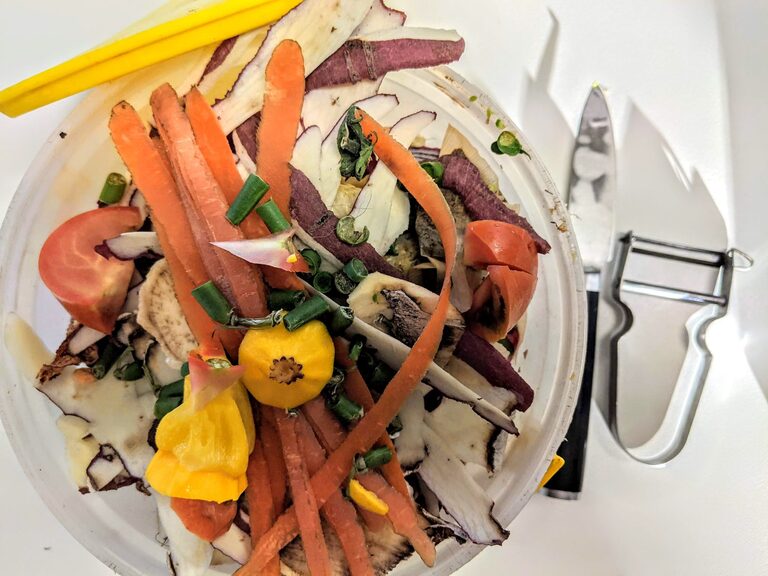
Save vegetable scraps and bones in the freezer to make flavorful broth instead of throwing them away.
Compost Food Scraps
Not all food waste can be avoided, but you can reduce its environmental impact by composting. Composting turns food scraps into nutrient-rich soil, reducing landfill waste and greenhouse gases.
What to Compost
Vegetable peels, coffee grounds, eggshells, and fruit scraps are excellent for composting. Avoid meat, dairy, and oily foods which can attract pests.
Educate Your Household
Involve family members or roommates in waste reduction efforts. Share tips and encourage everyone to be mindful of food use and disposal.
Final Thoughts
Reducing food waste at home is a rewarding practice that takes some planning and awareness but offers many benefits. From careful meal planning to smart storage and creative reuse, every small step helps. By adopting these habits, you not only save money but also contribute to a healthier planet.
Start today by trying one or two of these tips and build your way toward a more sustainable kitchen!
About the Author